

Empowering Employees for Growth in Your Organization
One of the best competencies that strengthens the backbone of any organization is ‘Employee Empowerment’. It is about putting confidence and trust in employees’ ability to get the job done [...]

How to Build Leadership Competency Models for Remote Teams
The shift toward distributed work has changed what effective leadership looks like. Traditional management competencies—built around physical oversight, in-person communication, and on-site supervision—no longer capture the full skill set required [...]

Guided Launch of a Competency Modeling Project
Workitect offers a guided launch for competency modeling through a customized mix of training, consulting, and coaching. Includes options for technical competencies, virtual delivery via Zoom, on-site implementation support, and hands-on help building your first competency model and rollout strategy.

Accelerate the Effective Use of Competencies
A Simple Competency-Based HR Implementation Kit Get Started Now! This is an Integrated Set of Practical, User-Friendly, and Cost-Effective Tools Ideal for organizations with 200 - 5,000 employees In an [...]

Workitect License Options and Fees
LICENSING AND SERVICES A Workitect intellectual property license enables organizations to embed competency language into existing systems, leverage familiar technology to streamline new program initiatives, and gain buy-in for [...]
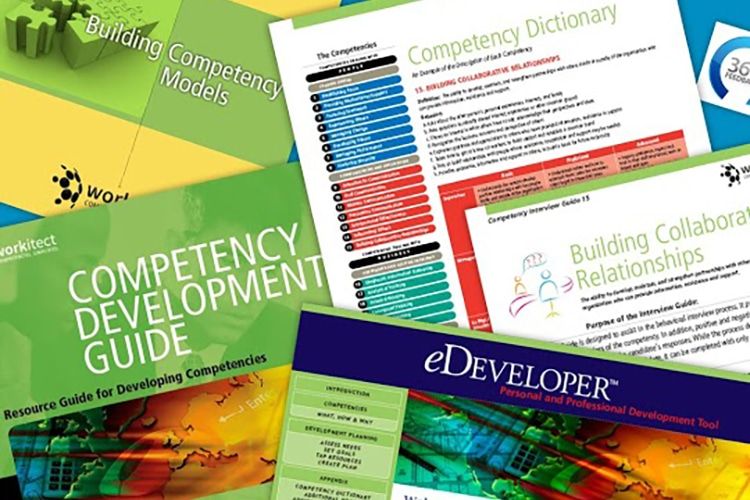
Identifying Competencies You Want to Develop
Career Planning: Guide to Self-Assessment From the Competency Development Guide, Chapter 3, Part 1. The Competency Development Guide is the 5th Edition of an easy-to-use, 280-page, 8.5″ x 11″ spiral bound [...]
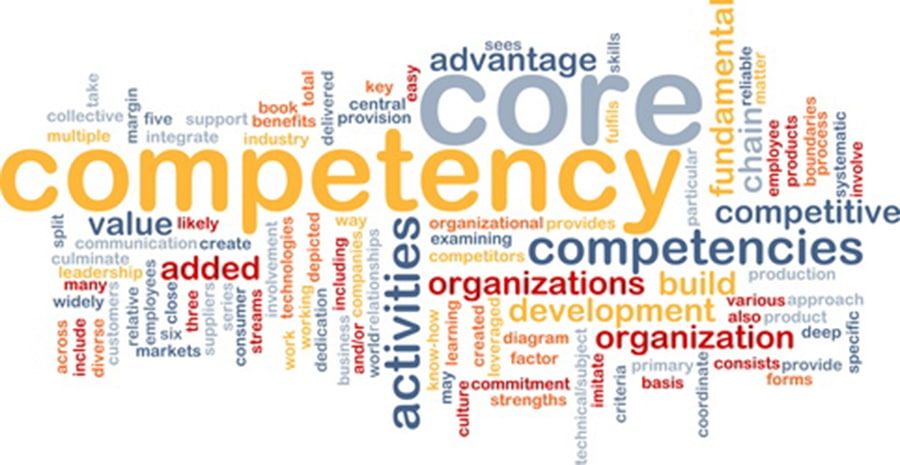
Identify an Organization’s Core Competencies
Core competencies define what an organization does best—distinct strengths that drive strategy and long-term success. This guide explains how to identify 1–4 competencies required of all employees, translate them into measurable behaviors, and embed them into job models and a full competency framework.

INTEGRATING KEY HR & TALENT MANAGEMENT PROCESSES
Workitect, Inc. provides research-based human resource assessment and development consulting services to help organizations to improve their performance and to attract, develop, and retain talent.