
Selecting a HR Application for a Model-Building Project

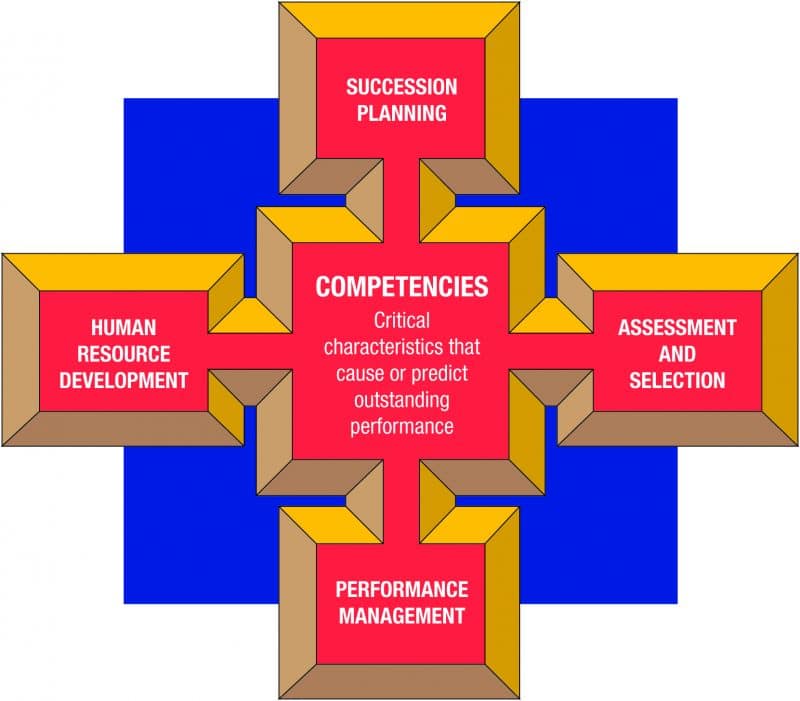
Competency models have many potential uses – for diverse areas including selection, assessment, development, performance management, training, and planning career paths. Some organizations do not always feel a need to have an initial application in mind when building a competency model. To some, competency models are a novelty, and they want to build one first, and only afterwards think about how to apply it in the organization.
Too often, organizations build a competency model but never get around to applying it. And a competency model alone provides little value to anyone. It is essential to have a particular Human Resources (HR) application in mind when building a model and build the implementation of that application into the initial project plan. It is a important component of Workitect’s Worksheet for Planning a Competency Modeling Project and Building Competency Models workshop.
There are three important reasons for doing this:
1) The nature of the intended HR application can shape the data collection and analysis. For example, in a project to construct a competency model for sales professionals, the competency model would need to be incorporated into a sales training program. Since the training program was to be built around the selling process, it was important to understand how the selling process worked for different types of projects. A day- long resource panel focused on defining the sales processes for both simple and complex sales situations. When the competencies were identified, they were linked to steps in the two sales processes.
2) The planned HR application can shape the format of the model, especially its behavioral descriptors. For example, if the model will be used by managers to assess jobholders’ demonstration of the competencies, as part of a performance appraisal, it is important to include behavioral descriptors of less effective behaviors as well as effective ones.
3) To ensure that money and other resources will be available for the application. If the initial application is not part of the budget for the model building project, there is a chance that financial support will no longer be available when the competency model has been completed. The organization receives little benefit from its investment, until the model is applied in a way that enhances productivity.
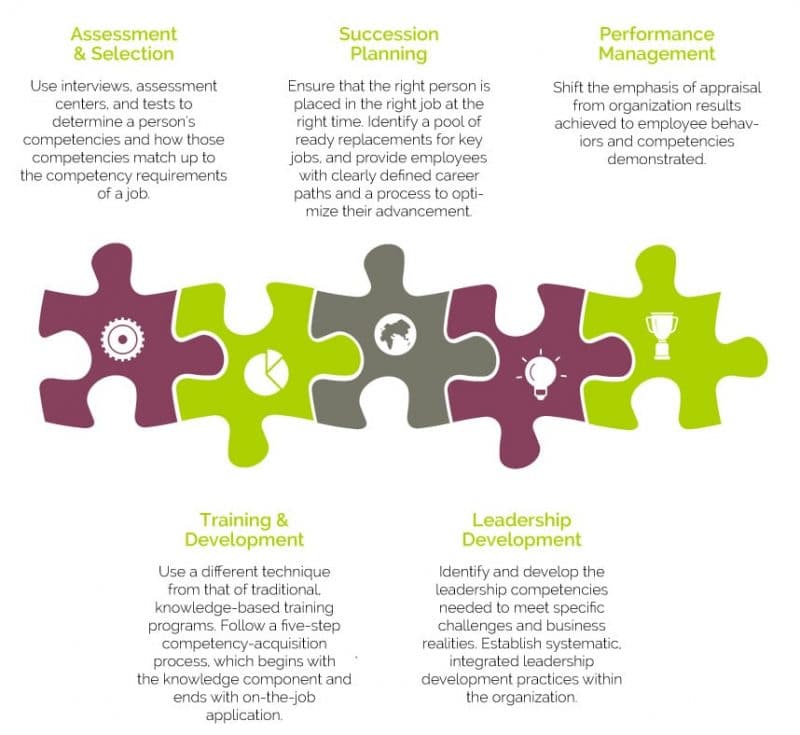
Read more in “Seven Key Questions to Answer before Building Competency Models” and
The Benefits of Competency Based HR Applications
 For additional information, call 800-870-9490, email edward.cripe@workitect.com
or use the contact form at Workitect.
©2019, Workitect, Inc.


Tags: competency, competency modeling, competency models, employee selection, HR strategy, human resources, performance management, succession planning, training
Related Posts
Recent Posts

In Good Times & Tough Times, You Need Competent People
People. Not money, not buildings, not tools. Competent people are your most valuable resource. And…

What is the One-Size-Fits-All Competency Model?
In the One-Size-Fits-All Approach, a competency model is developed for a broadly defined set of…

Is Your Performance Management System Working?
If it isn’t working, consider a… COMPETENCY-BASED PERFORMANCE MANAGEMENT SYSTEM Many organizations are becoming…

The New Reality: Career Streams vs. Career Ladders
Along with many other changes in how employee performance is managed, there is a…