
The Basics of Performance Management
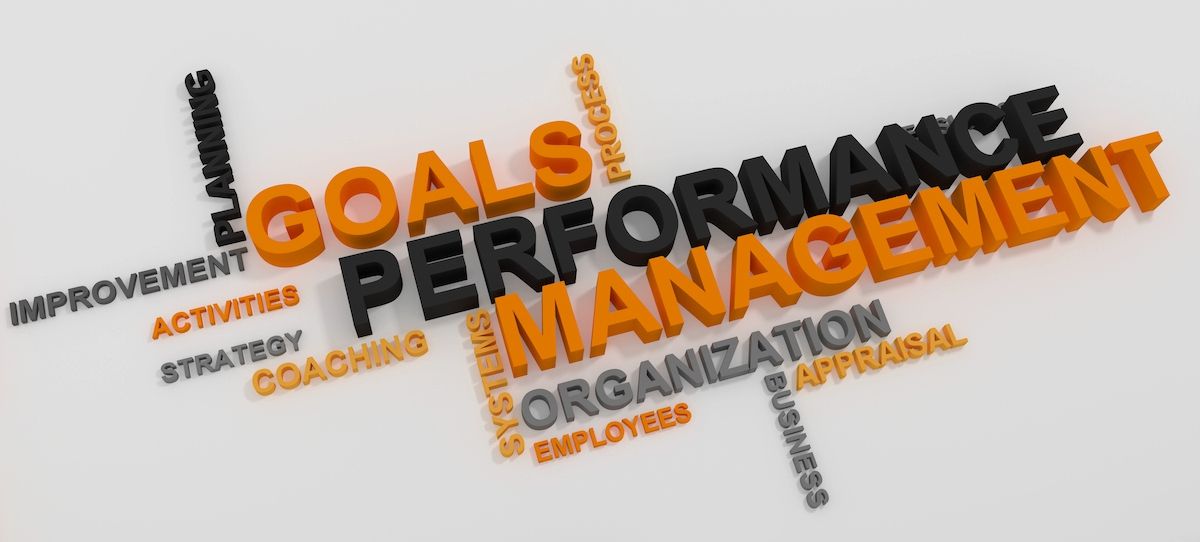
 The basics of performance management is this. Performance is the true test of survival in the marketplace. High-performing employees contribute superior performance, giving your organization its main competitive advantage. You may have a world-class system in place to create those superior performers, but it’s only as good as the management and organizational objectives behind it.
Ask yourself: Are you so focused on revenue generation or another particular aspect of the business that you forget to nurture your best ambassadors – your employees?
A system for sustainable growth
It’s important for any organization to have systems in place to identify, recognize, reward, and retain their top performers in order to achieve sustainable growth. An effective performance management system should encourage collaboration, teamwork and communication to identify:
- Job performance standards and measures
- Job behaviors required in accomplishing specific job tasks and meeting job responsibilities
- Competencies demonstrated by average and superior performers in key jobs
Results equal rewards
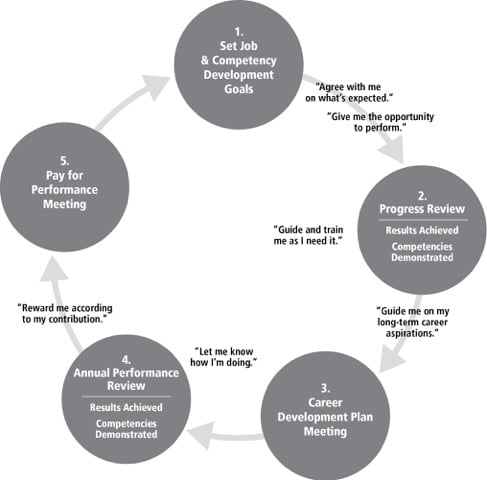
The results of the performance management data you collect can be used for decisions concerning rewards, bonuses and other employee incentives. For example, competency and job behavior data are typically used for decisions about development. So, if an employee is appraised as lacking group leadership skills, they might be asked to attend a course in order to further develop this skill. And… skill-based compensation systems explicitly tie rewards to skills developed. That spells ‘Motivation’!
Invest in your best
Effective performance appraisals essentially turn on the proper use of each type of data given the system objectives and what degree of control employees have over their performance. Having a solid performance management system in place is truly an investment in the people who help drive revenue for your business – and their extra effort can differentiate good organizations from great ones. This is the primary component of the basics of performance management.

To learn more about our products and services, and how competencies and competency models can help your organization, call 800-870-9490, email info@workitect.com
or use the contact form at Workitect.
©️2024, Workitect, Inc.
Tags: competencies, competency, Development, HR, modeling, models, organization development, performance, productivity, resources, success, talent, talent management
Related Posts


Recent Posts

In Good Times & Tough Times, You Need Competent People
People. Not money, not buildings, not tools. Competent people are your most valuable resource. And…

What is the One-Size-Fits-All Competency Model?
In the One-Size-Fits-All Approach, a competency model is developed for a broadly defined set of…
Is Your Performance Management System Working?
If it isn’t working, consider a… COMPETENCY-BASED PERFORMANCE MANAGEMENT SYSTEM Many organizations are becoming…

The New Reality: Career Streams vs. Career Ladders
Along with many other changes in how employee performance is managed, there is a…